When skin sustains injury, scarring can form as part of the body’s natural healing process. While scarring can’t be fully removed, treatment may help refine texture and soften appearance.
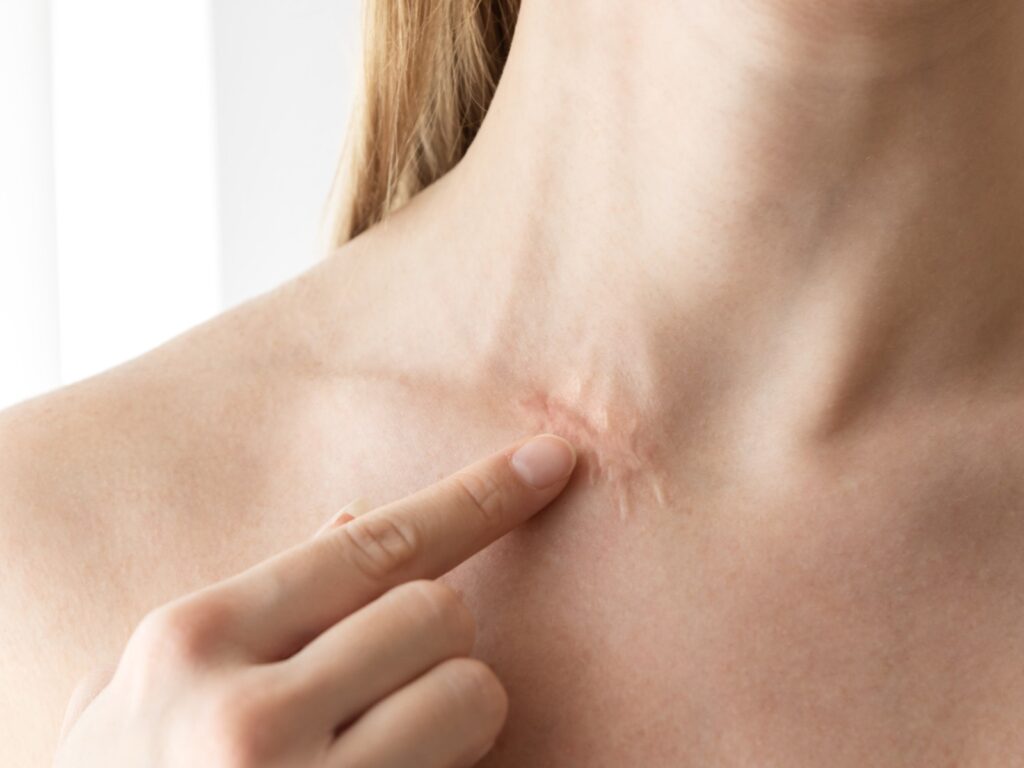
Scarring can develop after an injury, surgery, or a skin condition such as acne, and depending on where it is and how it looks, it can affect your confidence and quality of life. Common features include raised or depressed areas of skin, discolouration ranging from red or brown to white, thickened or uneven texture, and sometimes tenderness.
A scar forms when the skin is damaged and the body produces collagen to repair it. Depending on the type, the resulting scar tissue can be raised, indented or discoloured, and some scars can feel tight or uncomfortable. Several factors influence how a scar forms, including:
The location and depth of the wound
Your age, skin type and genetics
Whether the wound was clean or became infected
Whether it was stitched or left to heal on its own
TYPES OF SCARS
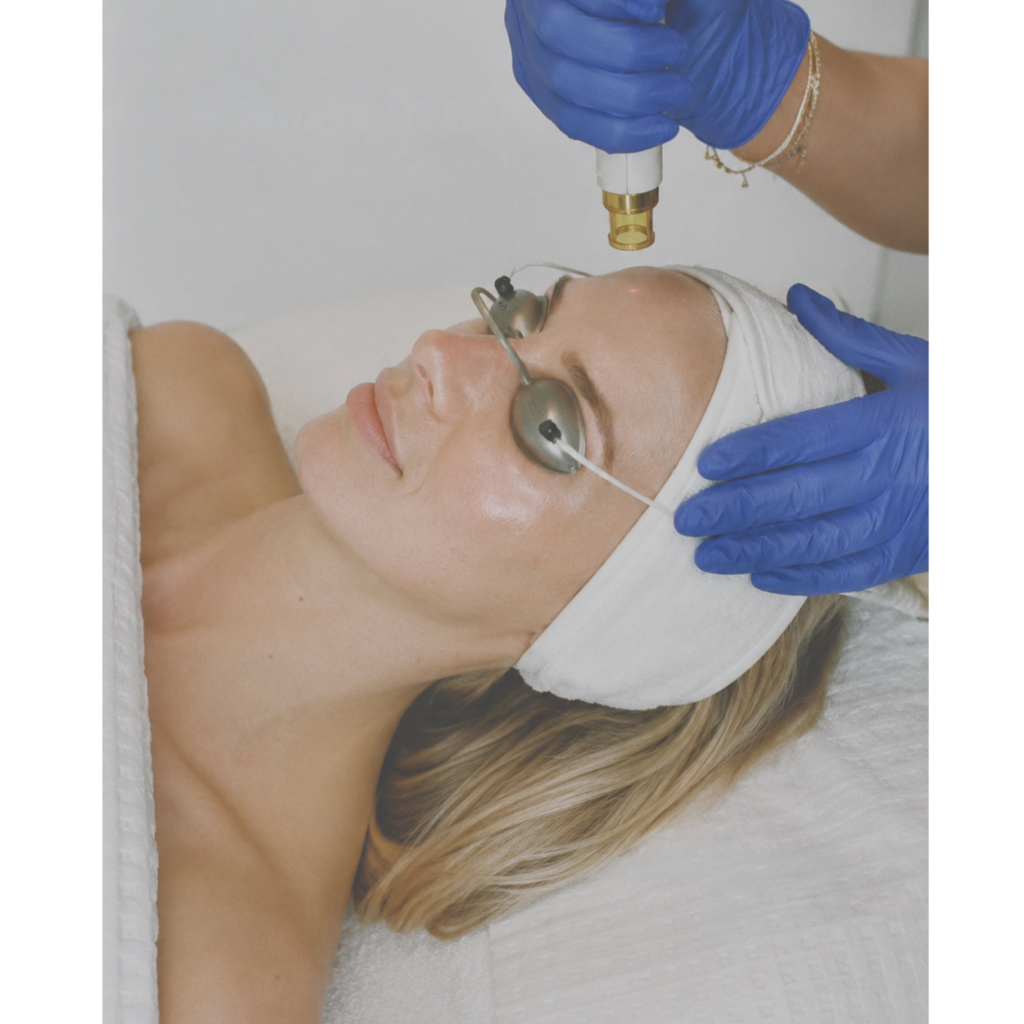
Hypertrophic scars: These scars are raised and often appear reddish in colour. They develop when the body produces too much collagen during the healing process. A combination of red lasers, fractionated lasers and medication is used to manage these. Usually, 3-4 sessions separated by 4-6 wks are required to manage this
Keloid scars: These scars are similar to hypertrophic scars but can grow beyond the boundaries of the original wound. They are more common in people with darker skin. People with a history of previous hypertrophic or keloid scarring are at a greater risk of developing keloid scars.
Atrophic scars: These scars are typically flat and depressed, and can occur as a result of acne, chickenpox, or injury.
Contracture scars: These scars can occur after a burn or other injury that causes the skin to tighten and restrict movement.
Stretch marks: These are a type of scar that forms when the skin is stretched rapidly, such as during pregnancy or weight gain.
Surgical scars: These are scars that result from surgical incisions.
Traumatic scars: These scars are caused by injuries such as cuts, burns, or abrasions.
Acne Scars: these are unique and require their own approach to treatment.
HOW TO TREAT SCARRING
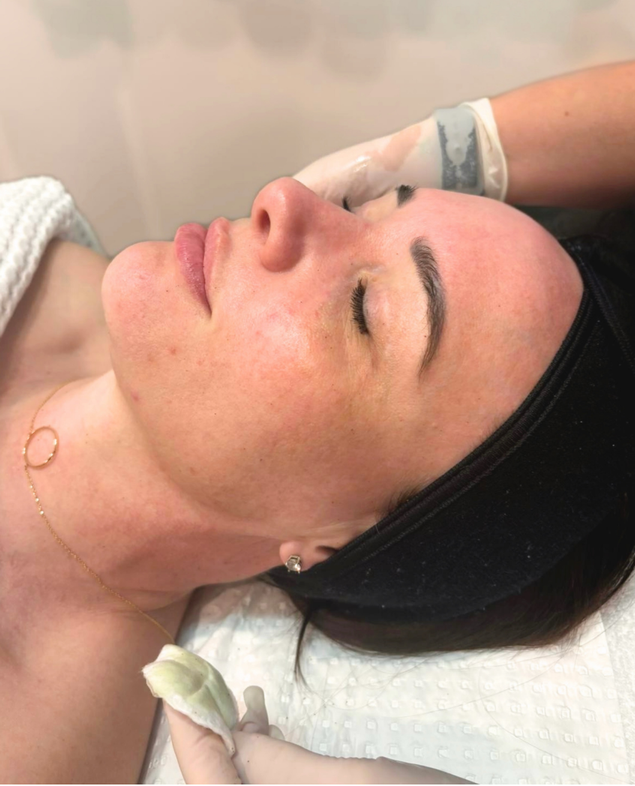
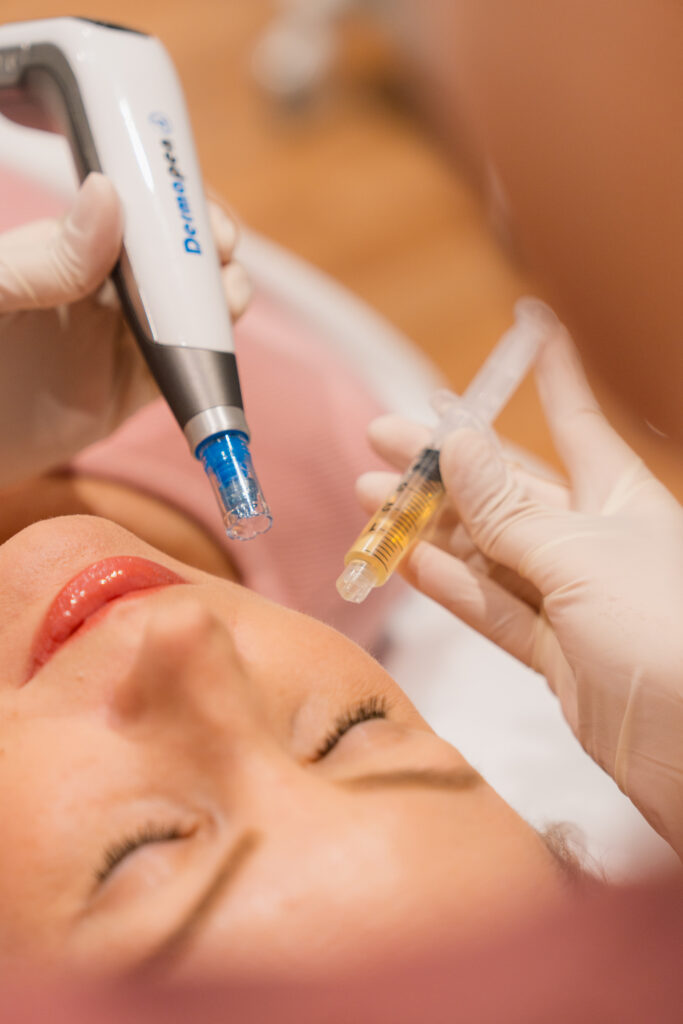
We offer a range of treatments to help reduce the appearance of scarring. The right approach depends on the type, location and severity of your scar, and your goals, so we tailor a plan to you at your consultation.
Meet with Dr Nasser or one of our specialists for a thorough consultation.
2.
Personalised Treatment Plan
We will design a treatment plan tailored to your desired outcome.
3.
Expert Treatment
Procedures are performed with meticulous technique in our purpose-built treatment suites.
4.
Ongoing Care & Support
We provide aftercare guidance, follow-up appointments and long-term support to prolong your results.
BEGIN YOUR JOURNEY
Reserve your consultation
A considered approach to aesthetics begins with expert guidance.
Meet with Dr Alia Nasser and our experienced team for a comprehensive consultation, where we take the time to understand your goals, assess your concerns and create a bespoke treatment plan.