
NOW ACCEPTING NEW PATIENTS – BOOK A CONSULTATION
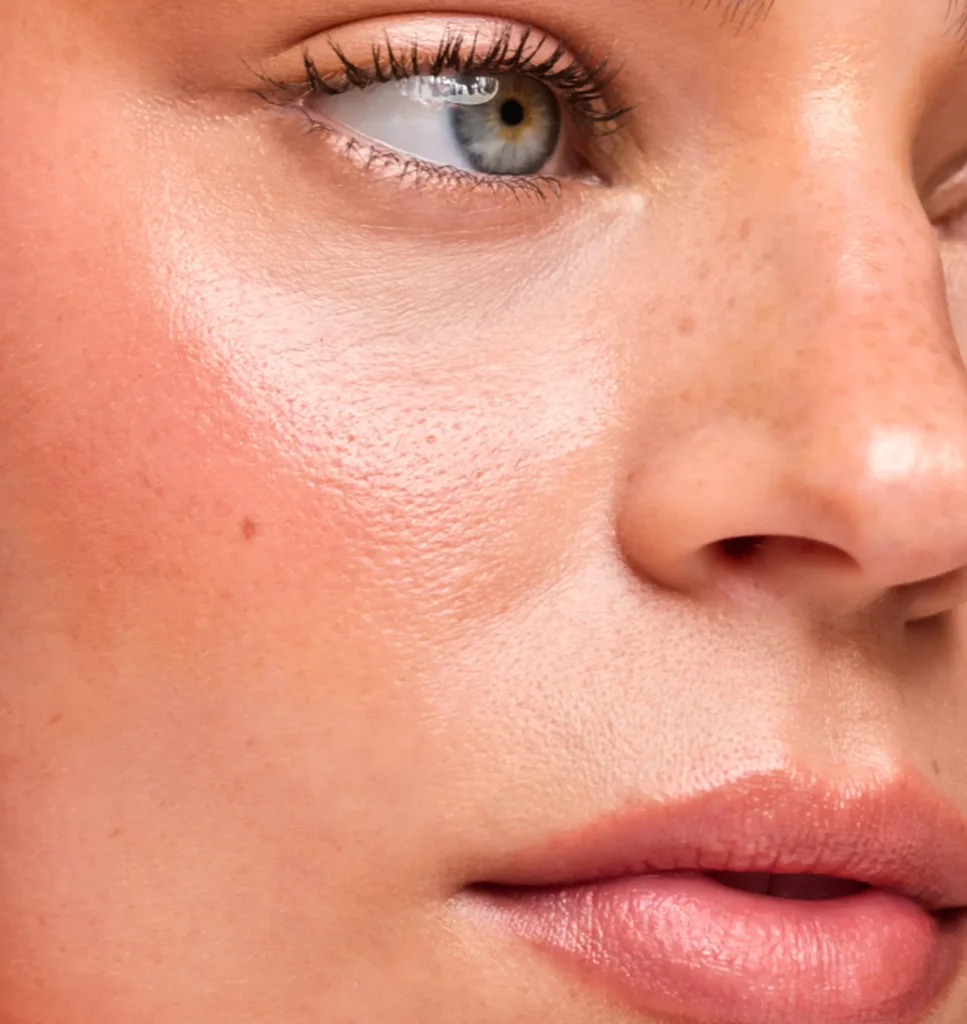
Rejuran is an injectable skin treatment made from polynucleotides, which are fragments of DNA derived from salmon. It is injected into the skin in a series of small points across the treatment area, and it is used with the aim of improving skin quality rather than adding volume or filling lines.
Rejuran is a Class III medical device on the Australian Register of Therapeutic Goods. It is a medical procedure involving injections, it carries risks, and it is not appropriate for everyone, so treatment starts with an assessment.
Rejuran is used at Verve for:
Polynucleotides are short chains of DNA. The polynucleotides in Rejuran are purified from salmon DNA, and they are injected into the dermis, where the intention is to support the skin’s own repair processes and improve the condition of the tissue over time. Rejuran is not a dermal filler. It does not add volume or project the skin, so it is used for skin quality rather than for contour or lift.
There are different formulations in the range, including one intended for the thinner skin around the eyes. Which one suits you, if any, is decided at your consultation.
Your appointment starts with an assessment to confirm the treatment is appropriate and to plan the area. A topical anaesthetic is usually applied first and left to take effect. The polynucleotide solution is then injected in a grid of small points across the treatment area using a fine needle or a cannula. Treating the face generally takes around 30 minutes once the anaesthetic has worked.
Rejuran works gradually. Any change develops over the weeks following treatment as the skin responds, not on the day. Most people begin with a course of three to four sessions, spaced two to four weeks apart, and maintenance sessions are generally needed after that to hold the result. How many sessions you need and how long any change lasts differ between individuals, and some people notice less than others. Your doctor will set out a realistic plan at your consultation.
Rejuran is injected into the skin and carries risks that should be understood before you decide. Small raised bumps at each injection point are common on the day and the day after, and they usually settle on their own. Other effects can include pain during the injections, redness, swelling, bruising and tenderness, which can last several days. Less commonly there can be infection, prolonged lumps or nodules, and changes in skin pigmentation, which can be more likely in deeper skin tones. Bruising is more likely if you take blood-thinning medication.
Rejuran is derived from salmon. It is not suitable if you have a fish allergy. It is also not appropriate during pregnancy or breastfeeding, over an active skin infection or inflamed area, or where you have certain autoimmune or bleeding conditions. The risks that apply to you are discussed in full at your consultation. This information is general and is not a substitute for individual medical advice.
Rejuran may suit people whose concern is skin quality, texture or crepiness rather than volume loss or sagging. It will not lift skin that has descended, and it will not replace volume that has been lost, so it is sometimes the wrong tool for what someone is actually asking for. Dr Nasser will assess your skin and say plainly if a different treatment would serve you better.
Individual results vary from person to person. What is realistic for you is assessed at your consultation.
There is sensation during the injections, and a topical anaesthetic is usually applied first. Small raised bumps at the injection points are common for a day or so and generally settle by themselves. Some people bruise.
Most people begin with three to four sessions, two to four weeks apart, then maintenance sessions to hold any result. Your plan is set at your consultation.
Yes. Rejuran is included on the Australian Register of Therapeutic Goods as a Class III medical device. That means it has met the TGA’s requirements for supply in Australia. It does not mean a particular result is promised.
Anyone with a fish allergy. It is also not appropriate during pregnancy or breastfeeding, over active skin infection or inflammation, or with certain autoimmune and bleeding conditions. Your medical history is reviewed before treatment.
A considered approach to aesthetics begins with expert guidance.
Meet with Dr Alia Nasser and our experienced team for a comprehensive consultation, where we take the time to understand your goals, assess your concerns and create a bespoke treatment plan.